How to Choose a Boxed Mattress: A Practical Guide to Materials, Firmness, and Returns
A comprehensive, buyer-focused exploration of the boxed mattress category. From materials and firmness to trial periods and return policies, this guide synthesizes expert insights and consumer-focused tips to help you find the right sleep surface without the guesswork.
Understanding the Boxed Mattress Landscape
The mattress-in-a-box concept revolutionized how we buy beds. By compressing and shipping a bed in a compact package, brands offer convenience, speed, and often better price-to-value ratios than traditional innerspring setups. But the benefit of boxed mattresses goes beyond packaging: the core materials, construction philosophies, and the numbers on a spec sheet all converge to shape your night’s comfort.
When evaluating a boxed mattress, start with the material story. Most boxed mattresses fall into one of three archetypes: memory foam, latex, and hybrid constructions that blend foams with springs. Each material family has distinct tactile cues, temperature characteristics, and durability profiles. Your choice should align with your sleep position, body weight, and personal preferences for contouring, bounce, and support.
In this guide, we explore how materials translate into feel, how firmness is measured and described, and how to interpret trial periods and return policies so you can curate a sleep experience that is both satisfying and efficient.
Materials Deep Dive: Memory Foam, Latex, and Hybrids
Memory foam remains the classic boxed-material story. Its density and temperature behavior determine how the surface cushions the body. Higher density foams can offer lasting support and body-contouring, while lower density foams often respond more quickly but may be less durable over time. In boxed formats, the layering strategy—whether memory foam sits atop a transition foam or is part of a multi-layered system—shapes the overall feel from plush to firm.
Latex, particularly natural or Talalay variants, introduces a different set of characteristics. Latex tends to offer buoyant support, excellent breathability, and a responsive feel that some sleepers equate with a lighter “lift” and quicker recovery. This makes latex or latex hybrids appealing to combination sleepers who move through different positions at night.
Hybrids—mattresses that blend foams with springs (often wrapped coils)—aim to marry the best of both worlds: contouring comfort with more robust edge support and bounce. In the boxed mattress ecosystem, hybrids frequently position themselves as a versatile choice for a broad spectrum of sleepers, especially those seeking a balance between pressure relief and support across the night.
Clarifying the differences helps you map your priorities: contour vs. response, temperature management, motion isolation, and durability. For example, if you sleep hot, prioritize breathable materials and channeling in the construction. If you’re a restless sleeper, you may value a responsive surface that lends itself to shifting positions without the “sinking” feeling.
Firmness: How to Read and Decide
Firmness is often described along a soft-to-very-firm spectrum, but the real map is more nuanced. Many boxed mattresses use a firmness rating that blends with the layer stack, meaning a product listed as “medium-firm” can feel different depending on your body weight, sleeping position, and the sleeper’s experience of pressure relief.
Common touchpoints to interpret:
- Pressure relief in the shoulders and hips for side sleepers.
- Lumbar support for back sleepers and those with a neutral spinal alignment.
- Edge support—whether you can sit or sleep near the edge without feeling like you’re sliding off.
- Recovery speed after initial compression—some foams rebound quickly, others slowly.
A practical approach: translate a “firmness rating” into your own body experience. If you weigh more, you may prefer a slightly firmer feel to prevent excessive sinking. If you’re lighter, a mattress with a touch more contour can feel appropriately supportive.
Materials, Durability, and Comfort Longevity
Beyond comfort, durability matters. Durability is often tied to material density, the resilience of the core support system, and how the top layers hold up over time. For memory foam, higher density can correlate with longer-lasting support, but it may also influence temperature. Latex and hybrid constructions bring different durability curves, often influenced by the resilience of the springs, the quality of the latex, and the integrity of seam construction.
Consider the warranty framework and the maker’s durability claims. Look for explicit details on edge support performance, resistance to sagging, and how the mattress behaves after long-term use. It’s also worth noting that some boxed mattresses use specialized foams or latex blends designed to optimize both comfort and longevity while maintaining a manageable compression during shipping and unboxing.
Sizing, Height, and Personal Fit
Boxed mattresses come in standard dimensions—twin, twin XL, full, queen, king, and California king—with varying thicknesses. The height of the mattress can influence how it feels relative to your bed frame, nightstands, and headboard alignment. Thicker profiles often deliver greater contour and cushioning, while thinner profiles may feel more responsive and airy.
Personal fit is also about your room dynamics. If you share a bed, consider motion isolation and edge-to-edge usability. If you’re upgrading from a traditional innerspring, you might notice a different sensation of support and conformity as you adjust to the boxed construction.
Trial Periods, Returns, and Warranties: Your Buyer’s Toolkit
The boxed mattress space often includes generous trial periods. A longer trial window gives you more time to evaluate how the mattress behaves across weeks and different sleep scenarios. Take note of what constitutes a return in practice: are there return fees, pickup logistics, or restocking charges? How easy is it to initiate a return if the mattress doesn’t suit you?
Warranties vary, but they typically cover structural defects, significant sagging beyond a specified threshold, or manufacturing flaws. Read the fine print to understand the coverage period, what counts as a defect, and whether there are conditions that could void the warranty (for example, improper foundation or improper use).
In practical terms, a robust trial and transparent return policy reduce risk and build confidence in your decision. This is a cornerstone of the boxed mattress experience: the promise that you can test, adapt, and adjust without being locked into a single choice.
A Practical Framework: Compare, Contrast, Decide
To translate theory into a decision, use a structured framework. Start with a base set of personal criteria: budget, preferred sleep position, weight, heat sensitivity, and mattress height. Then map these against a few leading boxed options by assessing five core dimensions:
- Materials and feel: foam density, latex content, and hybrid construction.
- Firmness nuance: your subjective sensation of support and pressure relief in your typical sleep position.
- Support and micro-motions: how well the surface stabilizes your spine and minimizes partner disturbance.
- Temperature management: breathability and moisture handling in the top layers.
- Trial, returns, and warranty: duration, ease of process, and coverage terms.
Create a simple grid or checklist to compare at a glance. For each mattress, note your initial impression, how it adapts over several nights, and any changes you observe in temperature, sinkage, and overall mood after waking. The goal is a decision that feels informed, balanced, and aligned with your sleep life.
Product Spotlight: A Notable Example in the Marketplace
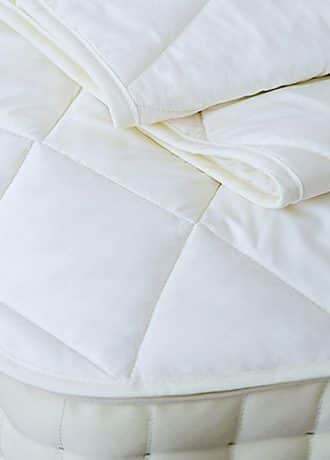
Among the curated boxed mattress offerings, certain accessories stand out for their alignment with a holistic sleep system. For instance, a high-quality mattress protector can elevate the longevity and hygiene of a mattress, delivering a refined sleep experience that complements the core mattress. The Vispring Lux Skirted Mattress Protector exemplifies this category: crafted from organic cotton, breathable through and through, and designed with a secure elastic fit to stay in place night after night. Its purpose is straightforward but powerful: protect the investment while preserving comfort and cleanliness.
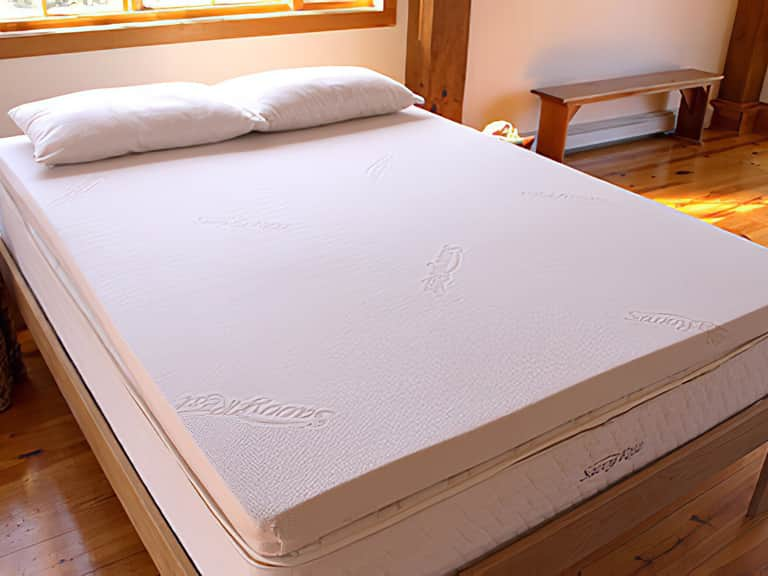
If you’re considering adding a topper to adjust your surface, a natural latex topper offers an option for cushioning and contour without introducing synthetic additives. For example, a latex topper in a certified organic formulation can cultivate an elevated feel that remains breathable and responsive, helping you tailor firmness without compromising temperature control.
In any case, when evaluating add-ons, connect them to your boxed mattress’s core material philosophy. The right protector or topper should harmonize with the bed’s primary construction and your sleep goals, not overshadow them.
A Clean, Editorial Conclusion: Your Sleep, Your Choice
The boxed mattress category is not simply a packaging gimmick; it is a careful articulation of materials science, ergonomic design, and consumer empowerment. By understanding materials, mastering firmness cues, and anchoring decisions to trial experiences and transparent policies, you can curate a sleep surface that feels designed for you—without the guesswork.
Remember: your best mattress is the one that adapts to your life—your sleep positions, your temperature needs, your budget, and your willingness to test and refine. The world of boxed mattresses rewards curiosity, patience, and a clear sense of what you want from a night of rest.
Notes on the Site’s Editorial Focus
This guide emphasizes an independent, educational approach to boxed mattresses. It leans on durable, evergreen criteria—materials, firmness interpretation, trial periods, and returns—while avoiding brand-centric hype. When product mentions are relevant and genuinely fitting the article’s theme, they are linked to their official pages, reflecting real-world options and ensuring accuracy.
Further Reading and Resources
For readers who want to deepen their knowledge, consider exploring materials science primers on memory foam, latex, and hybrid constructions, along with consumer guides on warranty terms and environmental considerations in packaging and shipping. A strong comprehension of these elements supports a confident, elegant decision process when selecting a boxed mattress.
Article Credits and Source Integrity
This piece maintains a non-commercial, informational stance while acknowledging established mattress concepts and consumer guidance practices. Any product mentions correspond to items that genuinely align with the article’s topic and provide concrete value to readers seeking practical, nuanced guidance on the boxed mattress category.