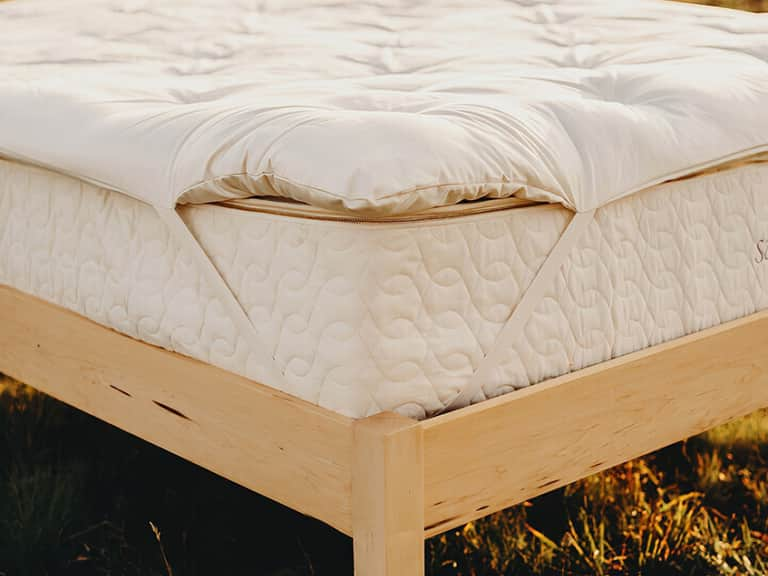
A practical guide to mattress materials and delivery
Latex Choices for Compressed Shipping: Feel, Support, and Setup
Latex has a distinctive, buoyant feel—but “latex mattress” is not a single recipe. Dunlop and Talalay latex differ in how they are made and can feel different in a finished mattress. For shoppers considering a mattress in a box, the material itself is only part of the decision: construction, packaging instructions, expansion guidance, and the bed’s overall design all matter.
First, understand what “latex” means
Latex is often discussed as if it were one consistent material, but the label can describe different formulations, manufacturing methods, and combinations of layers. A mattress may contain natural latex, synthetic latex, or a blend. It may use latex throughout its comfort and support layers, or only in one portion of a more complex design. Covers, quilting, foam, coils, and other components can also shape the sensation you experience.
That variety is especially important when comparing mattresses online. Two beds that both advertise latex may differ in firmness, contouring, bounce, temperature feel, and response to movement. A broad material name is a starting point, not a complete specification. Look for the type of latex, where it appears in the mattress, how thick the layer is, and what lies beneath it.
It also helps to separate the material story from the delivery story. Latex mattresses are not automatically suitable for every form of compression or boxed shipping. Whether a particular product can be rolled, compressed, and transported that way depends on its specific design and the manufacturer’s process. Check the product’s own shipping and handling information rather than assuming that all latex behaves alike.
Dunlop and Talalay: two routes to a latex layer
Dunlop and Talalay refer to different processes used to make latex foam. Both can be used in mattresses, and neither name alone tells you whether a bed will feel right for you. The final experience depends on the formulation, firmness, layer dimensions, mattress construction, and the way the layers work together.
Dunlop latex
In the Dunlop process, the latex mixture is poured into a mold and cured. The resulting material is commonly described as having a substantial, grounded feel. Depending on the product and its firmness, it may feel supportive and buoyant, with less of the slow, deep sink associated with some memory foams. But “Dunlop” does not guarantee one exact sensation: different recipes and layer designs can produce noticeably different results.
When evaluating a Dunlop mattress, ask where the layer is used. A firm Dunlop base under a softer comfort layer may feel quite different from a mattress in which a more responsive Dunlop layer sits close to the surface. Construction can matter as much as the process name.
Talalay latex
Talalay latex is made using additional steps in which the material is expanded within the mold before curing. It is often described as having a light, springy, and responsive character. Some sleepers enjoy that buoyancy because it can make changing positions feel easy; others may prefer a denser or more settled surface. These descriptions are useful clues, not substitutes for product-specific firmness and construction details.
Talalay and Dunlop are not simple rankings from “soft” to “firm,” or from “better” to “worse.” A Talalay layer can be firm, and a Dunlop layer can be soft. Compare the manufacturer’s stated firmness and the mattress’s complete layer arrangement, and treat broad feel descriptions as a guide rather than a promise.
Feel is personal—and layered
Latex is often valued for a responsive quality: rather than slowly conforming around the body, it tends to press back as weight shifts. The degree of contouring varies, however. A mattress with a thin latex comfort layer over a firmer support core will usually feel different from one with a thicker, softer latex surface. Quilting and the cover can further change the first impression.
Think of mattress feel as a combination of surface cushioning, pressure relief, support, and ease of movement. A soft surface may offer more initial give without necessarily providing the support a particular sleeper needs. A firmer surface may feel stable but create uncomfortable pressure at the shoulders or hips for some bodies and sleep positions. The goal is not to select a material by reputation; it is to find a whole construction that suits your needs.
Sleep position is a useful starting point, though not a rigid formula. Side sleepers often pay close attention to cushioning at the shoulder and hip. Back sleepers may prioritize a balanced surface that feels comfortable while maintaining a supported position. Stomach sleepers commonly consider whether the mattress feels stable enough to prevent excessive sinking through the middle. People who change positions may value a surface that responds readily to movement.
Body weight, proportions, personal comfort preferences, and the condition of the existing bed also affect the result. A firmness rating is not perfectly standardized across every company, so it is best read alongside construction details and trial terms. If available, review the full specification sheet instead of relying on a single promotional phrase such as “plush,” “supportive,” or “medium.”
What compressed shipping does—and does not—tell you
A mattress in a box is typically prepared for delivery in a compact package. The manufacturer’s process may involve compressing and rolling or folding the mattress, then enclosing it for transport. This can make delivery more manageable, particularly where a full-size mattress would be difficult to carry through a narrow hallway or up a flight of stairs. It does not, by itself, reveal the mattress’s quality, durability, or suitability for compression.
Latex composition and mattress construction are relevant to packaging, but the buyer should not try to infer shipping compatibility from the word “latex” alone. A mattress that includes latex may also contain other materials, and its layers may be assembled in a specific way. Packaging decisions are product-specific. Confirm that the exact model is designed for the stated delivery method and follow the manufacturer’s instructions for unpacking and setup.
Ask whether the mattress arrives compressed, rolled, or in another format, and whether there are restrictions on how long it can remain boxed. If the product page is unclear, seek written guidance from the seller before ordering. This is particularly useful when arranging delivery around travel, renovation work, or a scheduled move.
A calm, careful setup
Before opening the package, prepare the room and the bed base. Measure doorways, stairs, and turns along the route from the entrance to the bedroom. Check that the foundation or frame is appropriate for the mattress and that its dimensions match. Clear enough floor space to open the package without catching the mattress on sharp edges, tools, or furniture.
Read the delivery instructions before cutting anything. Use only the packaging tool or method recommended by the manufacturer, and take care not to let scissors or a blade touch the mattress cover. If the mattress is heavy or awkward to handle, get help rather than dragging it across a rough surface. Some products can be difficult to reposition once opened, especially in a small room.
- Confirm the mattress size and the dimensions of the bed frame.
- Check that the foundation is stable and suitable for the product.
- Make room to unpackage the mattress close to its final position.
- Follow the included opening and handling instructions in order.
- Keep packaging materials away from children and pets while setting up.
Once unboxed, give the mattress the time specified by its manufacturer. Some mattresses may look close to their intended shape quickly, while others need more time for the layers to settle and the surface to reach its expected feel. Do not treat a general rule of thumb as a guarantee: use the instructions for the exact mattress you purchased.
Expansion, odor, and expectations
After unpacking, a mattress may need time to regain its shape. The recommended expansion period can vary, so check whether the manufacturer advises waiting before sleeping on it or before judging its comfort. Pay attention to instructions about room conditions, ventilation, and placement. Keeping the setup area reasonably ventilated can make the first hours more comfortable if the new mattress has a noticeable packaging or material odor.
A temporary odor after unpacking is sometimes reported with newly manufactured foam products, but its character and duration vary. If the smell is strong, persistent, or accompanied by a concern about the product, consult the manufacturer’s guidance rather than relying on assumptions about what is normal. Avoid adding heat or using cleaning agents unless the care instructions specifically permit them.
It can be tempting to evaluate a mattress after one night. A more measured approach is to follow the stated setup guidance, use the mattress consistently, and track what feels comfortable or uncomfortable over time. If the product includes a home trial, read its terms carefully: the trial period, minimum use period, return process, pickup arrangements, and possible fees can differ. Note the relevant dates and retain the purchase documentation.
Support, firmness, and the details beneath the label
Support is not synonymous with firmness. Firmness describes the initial impression of how soft or hard the surface feels; support is about how well the mattress works for a sleeper’s body and preferred position. A mattress can feel firm yet still fail to feel comfortable, just as a softer surface can feel supportive to one person and insufficiently stable to another.
When comparing latex mattresses, look beyond the top layer. Check the number of layers, their materials and thicknesses, and whether the mattress has a separate support core. In a hybrid design, coils may contribute to the overall response. A foam base may create a different feel. The cover and any quilted material add another layer between the sleeper and the latex.
Ask how firmness is measured and whether the company provides a clear description of the scale. If you share the bed, consider whether each sleeper has similar preferences and whether movement transfers across the surface. A mattress that feels lively and responsive to one person may feel too springy to another, so reviews are most useful when they describe specific experiences rather than announcing a universal verdict.
A buyer’s checklist for latex in a box
Use a short checklist to make product pages easier to compare. The aim is not to find the longest list of features, but to establish whether the information is specific enough to make a considered decision.
- Latex type: Is the latex described as Dunlop, Talalay, natural, synthetic, or blended? Is the terminology clearly explained?
- Layer placement: How much latex is used, and where does it sit within the mattress?
- Whole construction: What are the comfort and support layers, including any coils, foam, or quilted materials?
- Feel and firmness: Are the rating and description product-specific, and is the scale explained?
- Shipping method: Is the exact mattress designed for compressed delivery, and are package dimensions available?
- Setup guidance: What does the manufacturer say about unpacking, expansion time, ventilation, and handling?
- Foundation requirements: Is the mattress compatible with your bed frame or base?
- Care and protection: What can be cleaned, and are there instructions for rotating or maintaining the mattress?
- Trial and warranty: What are the return conditions, coverage limits, and required proof of purchase?
If key details are missing, ask the seller before buying. A clear answer about materials, package handling, and the return process is more useful than a broad assurance that a mattress is “premium” or “naturally comfortable.” Keep written responses with your order records, especially when they address a specific product feature or delivery requirement.
Common assumptions worth reconsidering
“All latex feels the same.” It does not. Latex type is one part of the picture; firmness, thickness, layering, cover, and the support core can all affect the final sensation.
“Dunlop is always firm and Talalay is always soft.” These are manufacturing descriptions, not fixed firmness ratings. Look for the specific product’s stated firmness and construction.
“Every boxed mattress expands in the same amount of time.” Expansion instructions vary. Follow the guidance provided for the exact model and allow the stated time before making a final assessment.
“Compressed shipping means the mattress is made entirely of foam.” Packaging format does not, on its own, describe all of a mattress’s materials or architecture. Review the full specifications.
“Natural material claims tell me everything I need to know.” Material origin and composition can be important to shoppers, but they do not substitute for firmness, construction, care, delivery, or warranty information. Look for precise, product-specific descriptions.
The bottom line
Choosing a latex mattress for compressed shipping is a matter of matching the material story to the practical one. Dunlop and Talalay offer different manufacturing routes and are often associated with different impressions of density and bounce, but neither label predicts the complete feel. The mattress’s layers, firmness, cover, and support system deserve equal attention.
Before ordering, verify that the exact mattress is intended for its stated delivery method. Then review the instructions for unpacking, expansion, and setup; measure the route into the room; and check that your foundation is compatible. A careful comparison turns a vague promise of latex comfort into a clearer picture of how the bed is built, how it will arrive, and what to expect when it is ready for sleep.